Exhibition Structures as Interfaces
Exhibition Structures as Interfaces
Set design and exhibition display structures for I’ve been meaning to tell you
by Ana Segovia
Exhibition display design as spatial UX
Premiered at Museo MARCO
Later shown at Museo Jumex and Museum of Contemporary Art Los Angeles
Quick Overview
When exhibition design becomes an interface
Context and framing
This project focused on the design of display structures for a traveling contemporary art exhibition.
The work required adapting a single curatorial vision to three institutions, each with different spatial constraints, visitor flows, and interpretive expectations.
When exhibition design becomes an interface
Context and framing
This project focused on the design of display structures for a traveling contemporary art exhibition.
The work required adapting a single curatorial vision to three institutions, each with different spatial constraints, visitor flows, and interpretive expectations.
Design Constraints & Experience Requirements
Insights and synthesis
This exhibition infrastructure operated under a dense set of physical, conceptual, and institutional constraints. The challenge was not only to display artworks, but to design a system capable of holding intention, scale, time, and safety simultaneously.
Installation & Operational Constraints
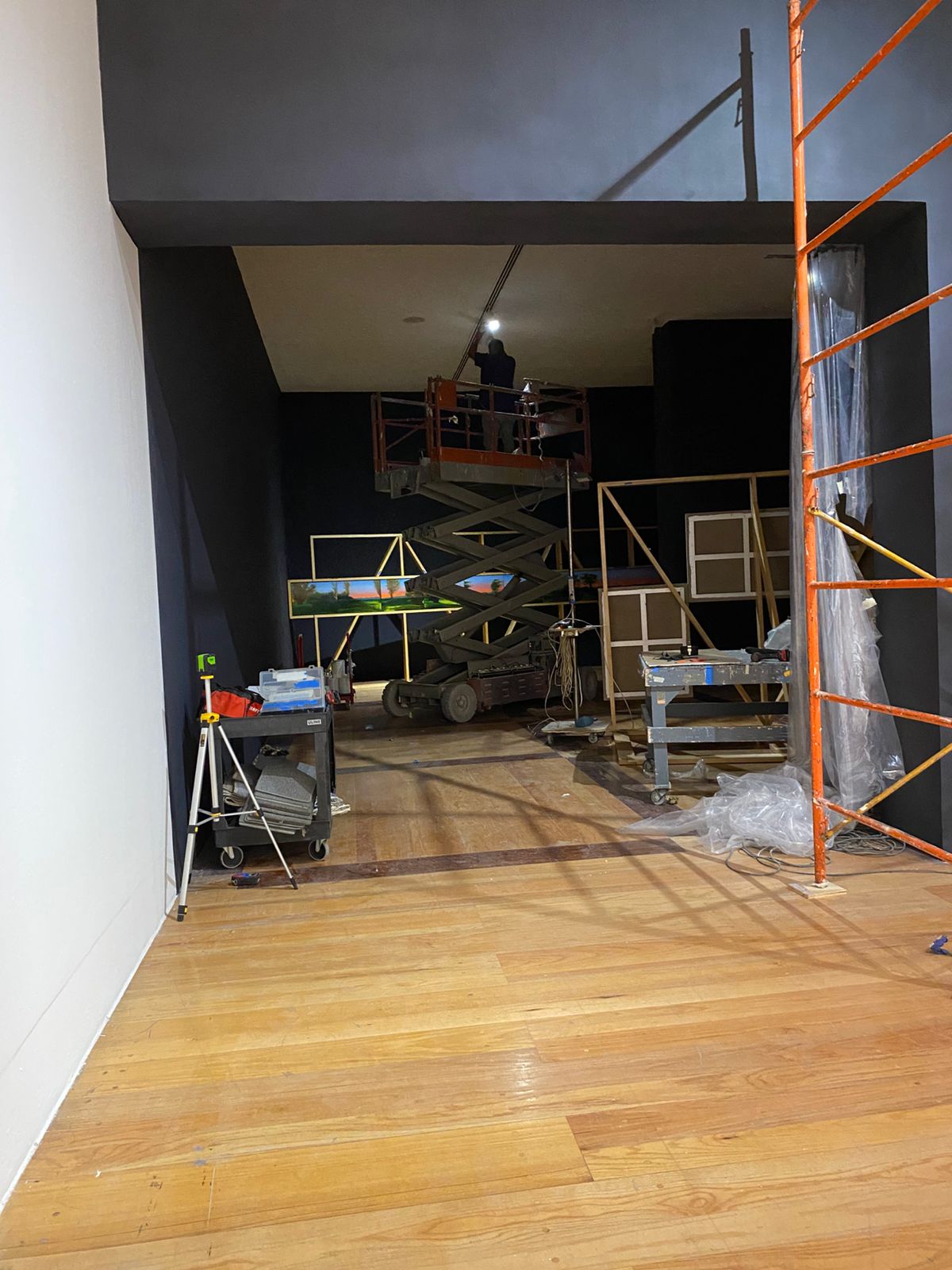
The display structures needed to be easy and efficient to assemble, allowing museum teams to mount and dismount the exhibition without excessive technical complexity.
Components had to support artworks without direct contact, maintaining intentional air gaps as part of the artist’s visual language.
The system had to be transportable and adaptable, as the exhibition traveled across institutions.
Artistic & Conceptual Alignment
The structures needed to align closely with Ana Segovia’s artistic intent, remaining present yet restrained.
Rather than framing the work aggressively, the infrastructure had to dialogue with absence, spacing, and tension, reinforcing the exhibition’s conceptual tone.
The design could not impose a visual identity of its own; it had to act as a supportive, quiet interface.
Spatial Context
The exhibition was presented in museums with monumental architectural scales, including Museo MARCO, a building by Ricardo Legorreta.
The display system needed to hold its presence within large volumes without becoming visually heavy or over-assertive.
Proportions, heights, and spacing were carefully calibrated to remain legible at a distance while rewarding close viewing.
Longevity & Safety
Materials and finishes were selected to age gracefully over time, anticipating wear across multiple installations.
All elements had to comply with museum safety and conservation standards, ensuring stability, durability, and visitor protection without visible reinforcement.


Design Constraints & Experience Requirements
Insights and synthesis
This exhibition infrastructure operated under a dense set of physical, conceptual, and institutional constraints. The challenge was not only to display artworks, but to design a system capable of holding intention, scale, time, and safety simultaneously.
Installation & Operational Constraints
The display structures needed to be easy and efficient to assemble, allowing museum teams to mount and dismount the exhibition without excessive technical complexity.
Components had to support artworks without direct contact, maintaining intentional air gaps as part of the artist’s visual language.
The system had to be transportable and adaptable, as the exhibition traveled across institutions.
Artistic & Conceptual Alignment
The structures needed to align closely with Ana Segovia’s artistic intent, remaining present yet restrained.
Rather than framing the work aggressively, the infrastructure had to dialogue with absence, spacing, and tension, reinforcing the exhibition’s conceptual tone.
The design could not impose a visual identity of its own; it had to act as a supportive, quiet interface.
Spatial Context
The exhibition was presented in museums with monumental architectural scales, including Museo MARCO, a building by Ricardo Legorreta.
The display system needed to hold its presence within large volumes without becoming visually heavy or over-assertive.
Proportions, heights, and spacing were carefully calibrated to remain legible at a distance while rewarding close viewing.
Longevity & Safety
Materials and finishes were selected to age gracefully over time, anticipating wear across multiple installations.
All elements had to comply with museum safety and conservation standards, ensuring stability, durability, and visitor protection without visible reinforcement.
Design Constraints & Experience Requirements
Insights and synthesis
This exhibition infrastructure operated under a dense set of physical, conceptual, and institutional constraints. The challenge was not only to display artworks, but to design a system capable of holding intention, scale, time, and safety simultaneously.
Installation & Operational Constraints
The display structures needed to be easy and efficient to assemble, allowing museum teams to mount and dismount the exhibition without excessive technical complexity.
Components had to support artworks without direct contact, maintaining intentional air gaps as part of the artist’s visual language.
The system had to be transportable and adaptable, as the exhibition traveled across institutions.
Artistic & Conceptual Alignment
The structures needed to align closely with Ana Segovia’s artistic intent, remaining present yet restrained.
Rather than framing the work aggressively, the infrastructure had to dialogue with absence, spacing, and tension, reinforcing the exhibition’s conceptual tone.
The design could not impose a visual identity of its own; it had to act as a supportive, quiet interface.
Spatial Context
The exhibition was presented in museums with monumental architectural scales, including Museo MARCO, a building by Ricardo Legorreta.
The display system needed to hold its presence within large volumes without becoming visually heavy or over-assertive.
Proportions, heights, and spacing were carefully calibrated to remain legible at a distance while rewarding close viewing.
Longevity & Safety
Materials and finishes were selected to age gracefully over time, anticipating wear across multiple installations.
All elements had to comply with museum safety and conservation standards, ensuring stability, durability, and visitor protection without visible reinforcement.
Design frictions across use and assembly
Visitor and installer challenges
How to guide visitors without over-signaling or interrupting interpretation
How to support close viewing while preventing congestion
How to maintain narrative continuity across radically different galleries
How to design structures that are legible, durable, and adaptable
Design frictions across use and assembly
Visitor and installer challenges
How to guide visitors without over-signaling or interrupting interpretation
How to support close viewing while preventing congestion
How to maintain narrative continuity across radically different galleries
How to design structures that are legible, durable, and adaptable
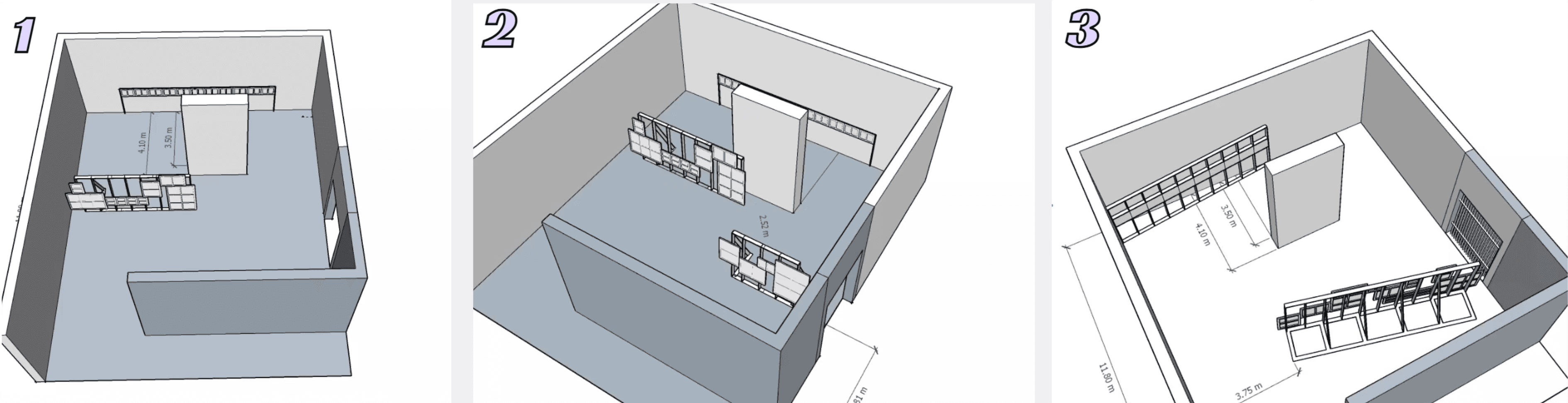
Iteration & Implementation
From insight to structure
Each venue required:
Layout adjustments based on spatial testing
Coordination with local installation teams
On-site problem solving during mounting
Design decisions were validated in real conditions, responding to:
Sightlines
Visitor density
Circulation bottlenecks
This process resembled live usability testing in a physical environment.
Iteration & Implementation
From insight to structure
Each venue required:
Layout adjustments based on spatial testing
Coordination with local installation teams
On-site problem solving during mounting
Design decisions were validated in real conditions, responding to:
Sightlines
Visitor density
Circulation bottlenecks
This process resembled live usability testing in a physical environment.
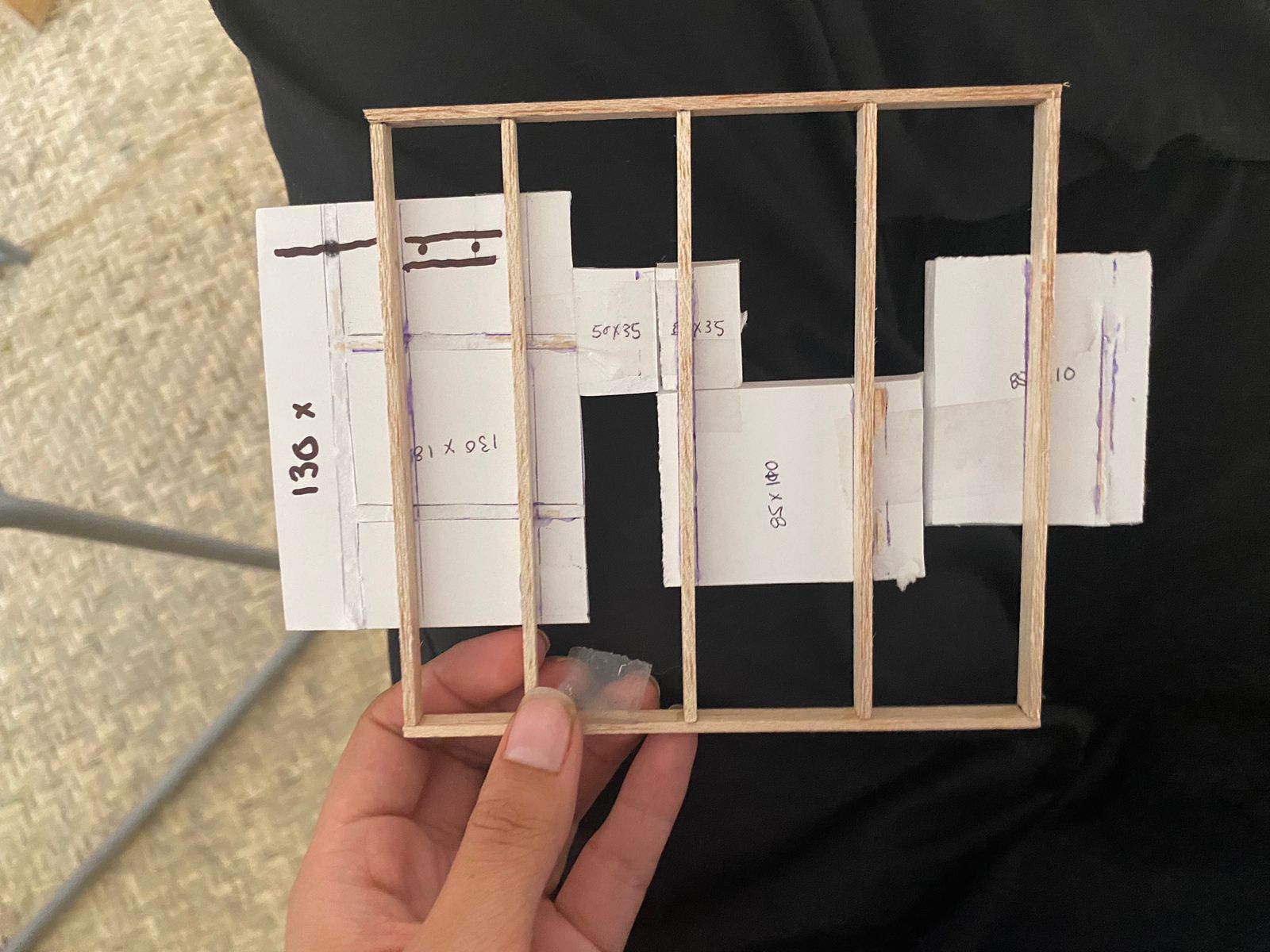
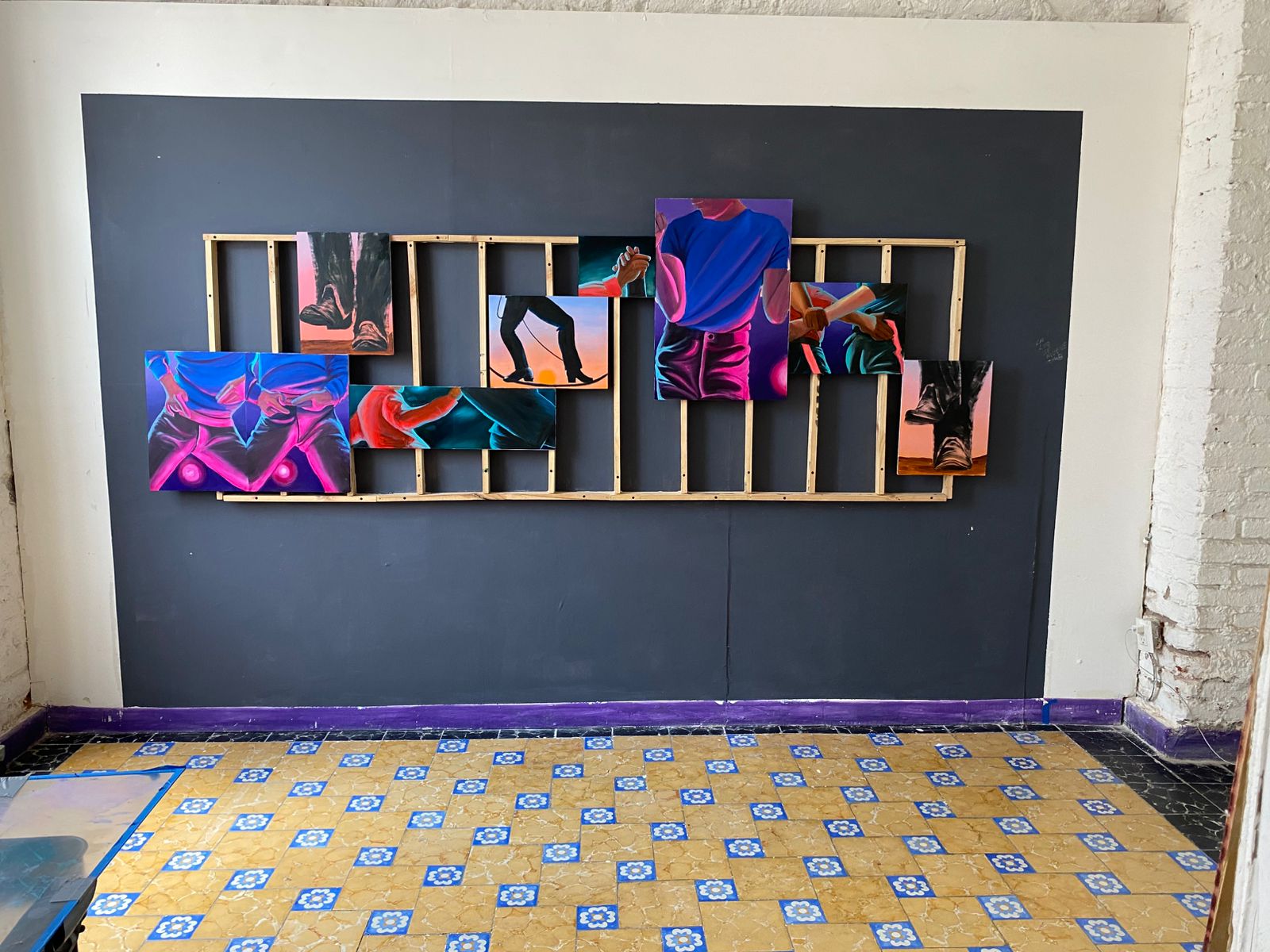
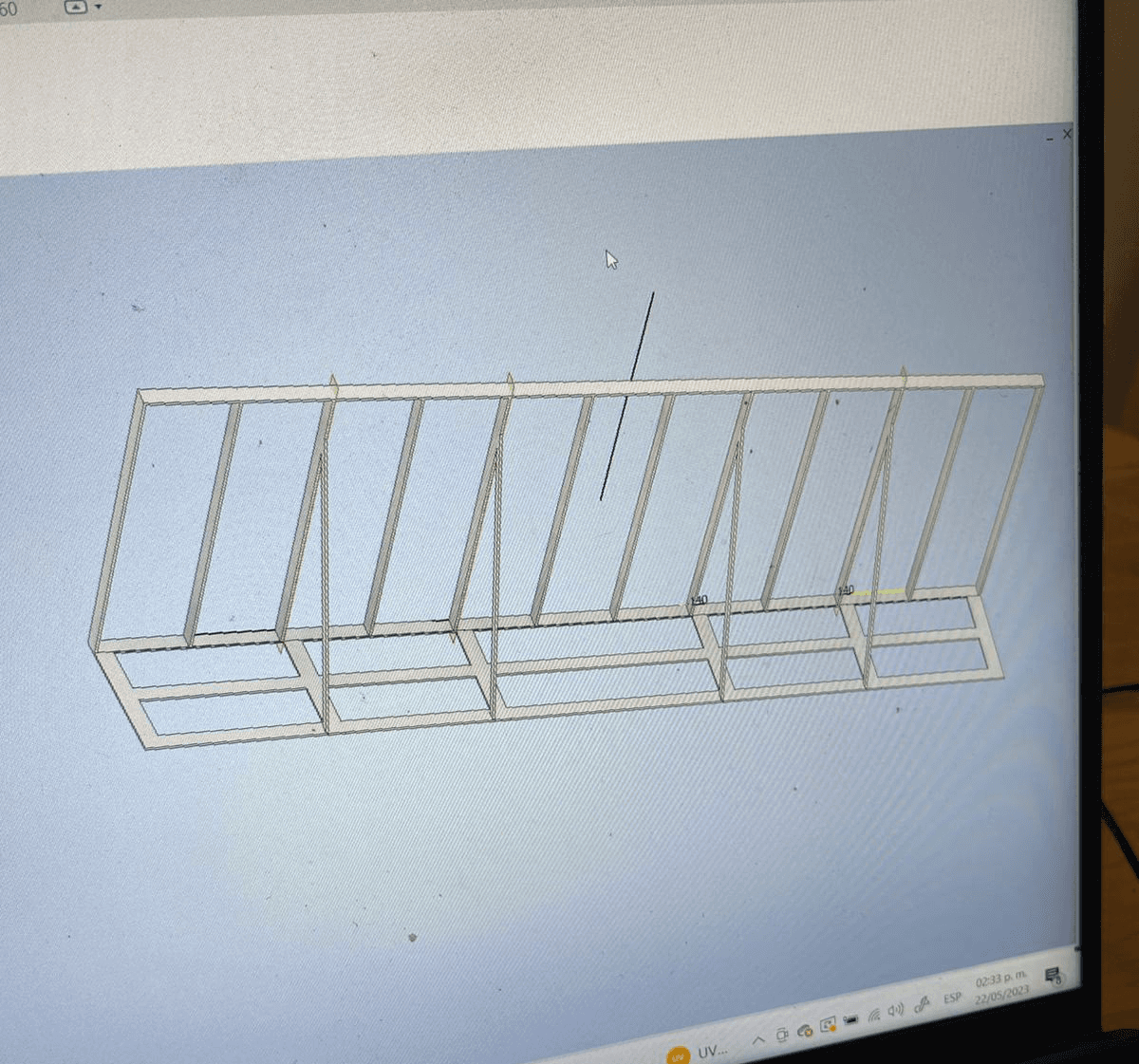
Impact
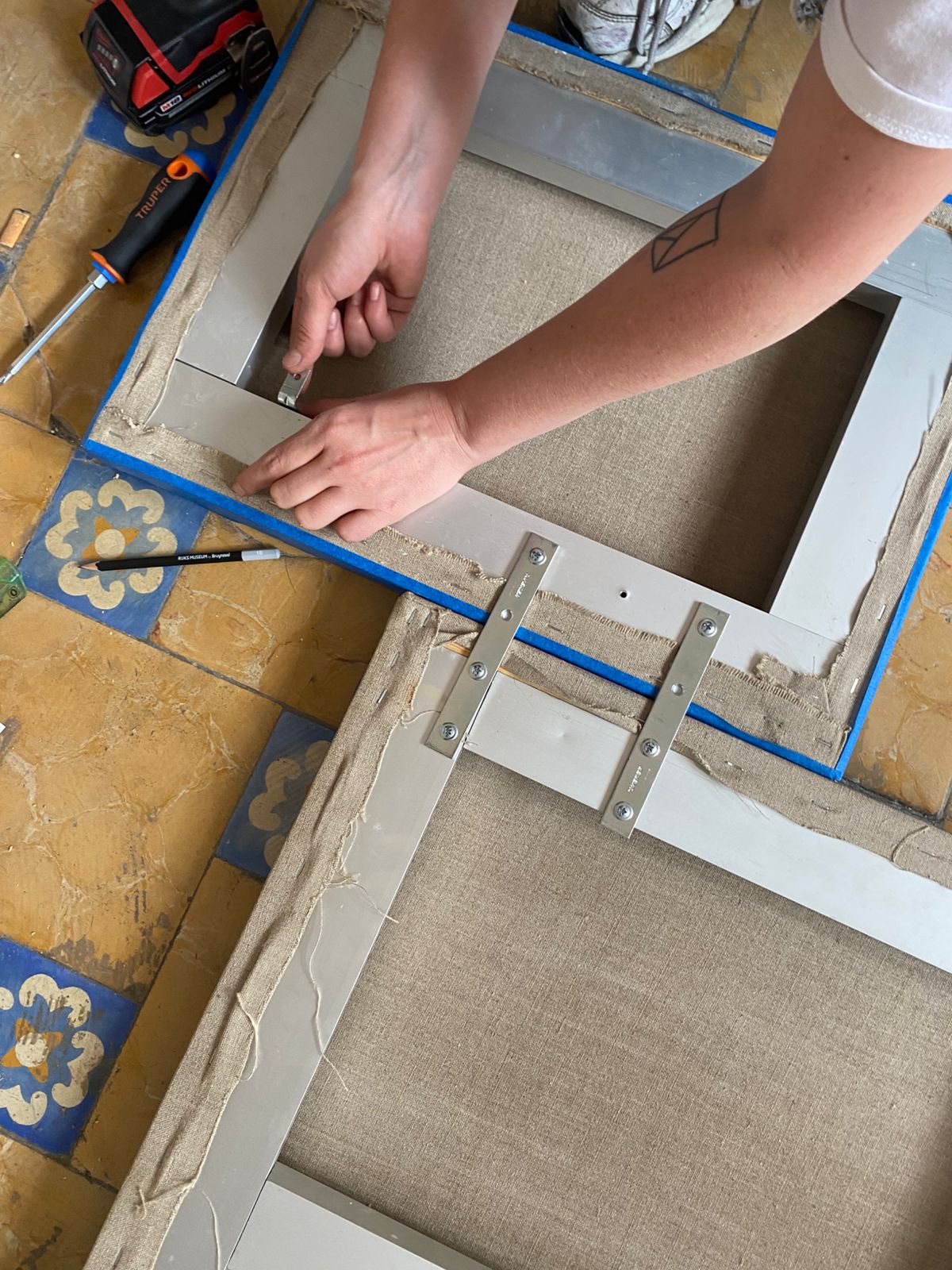
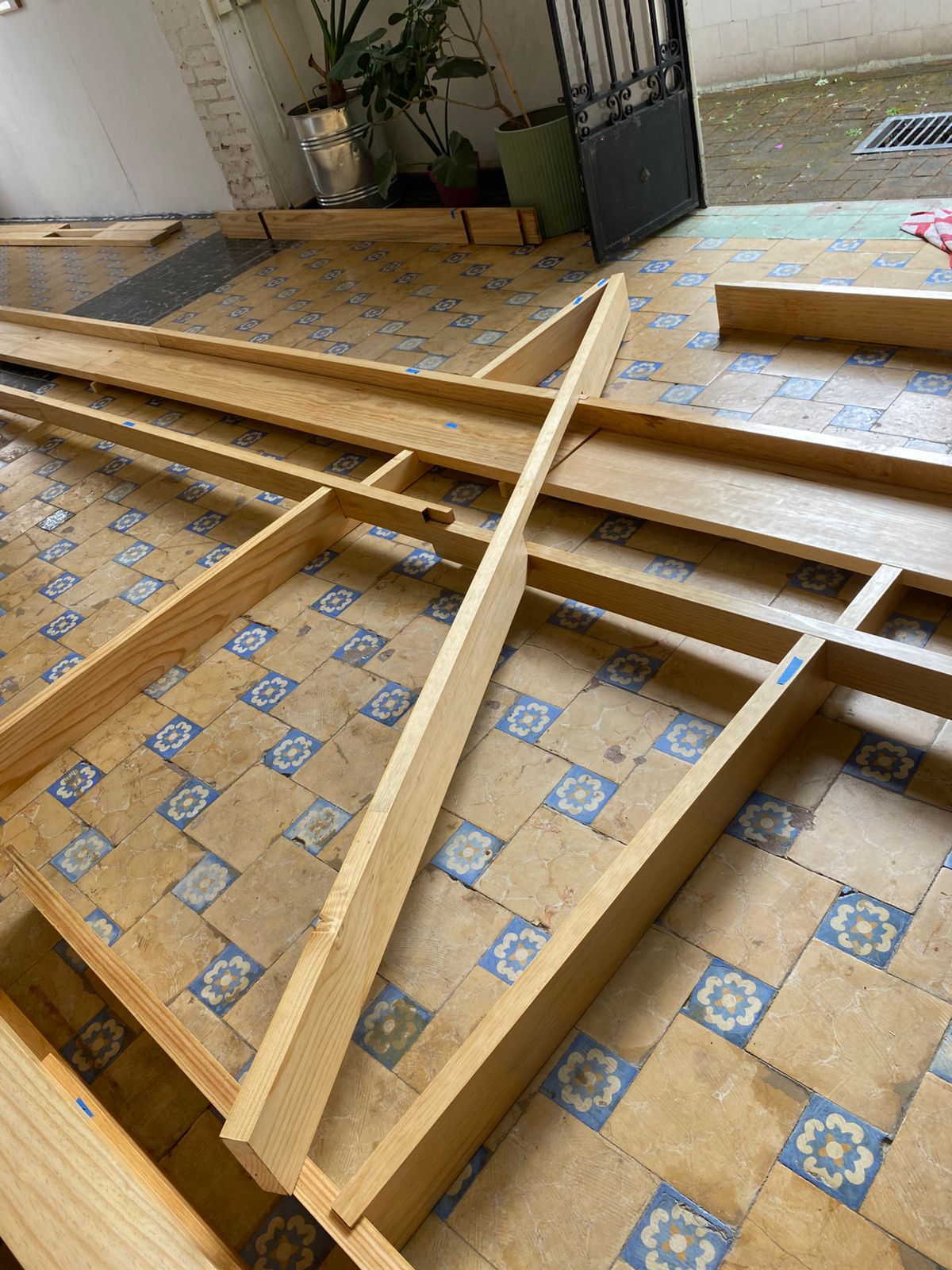
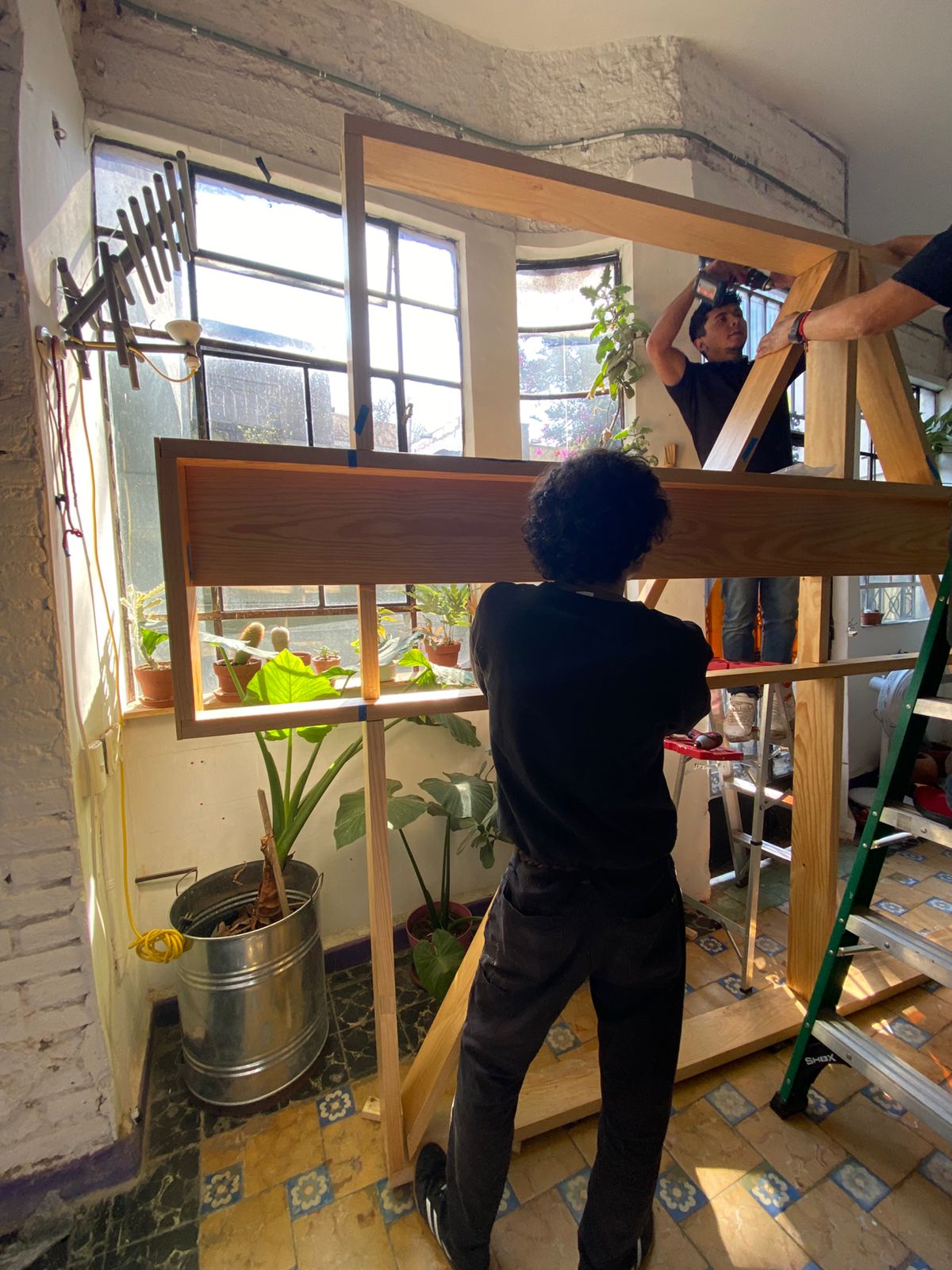
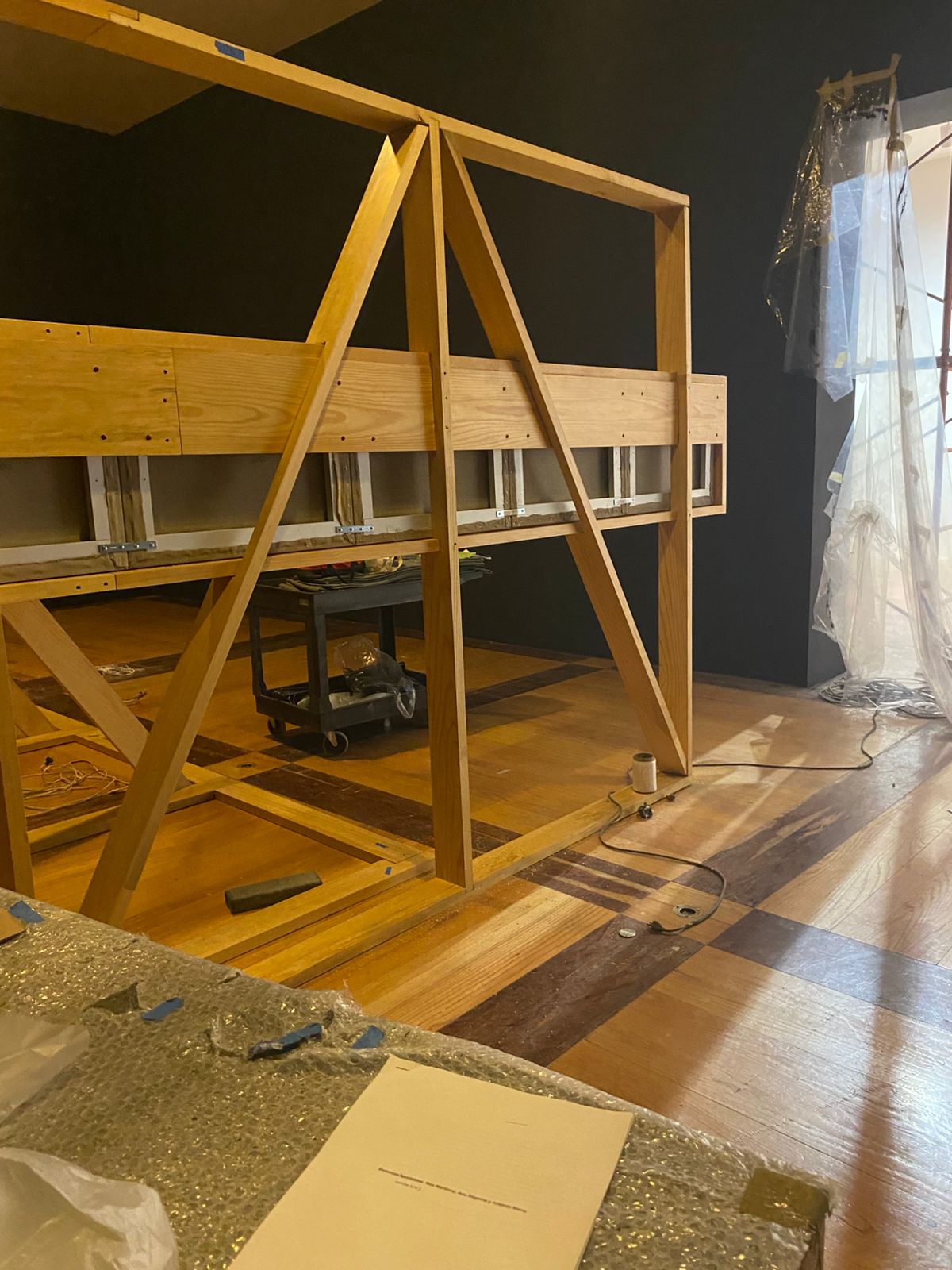
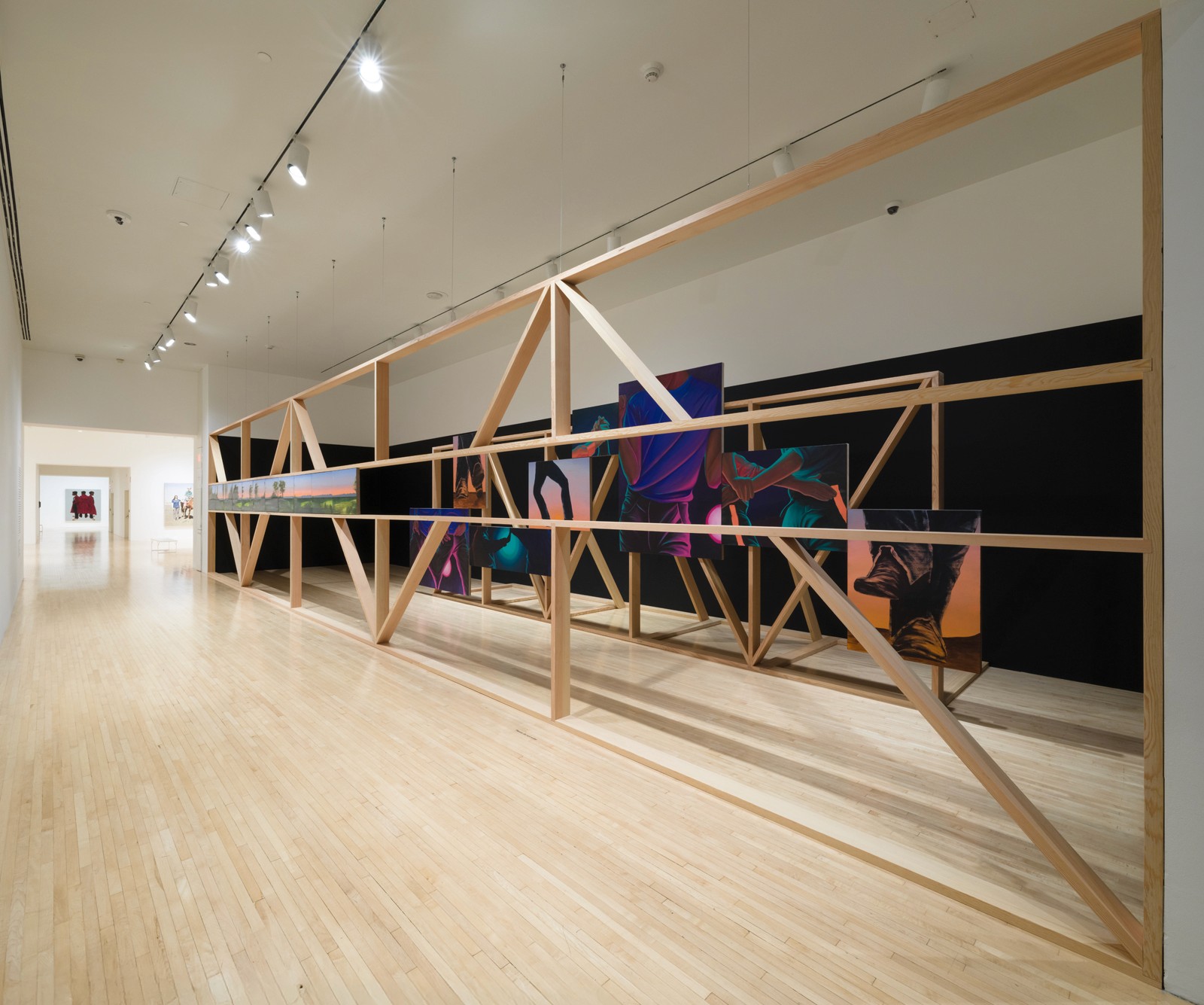
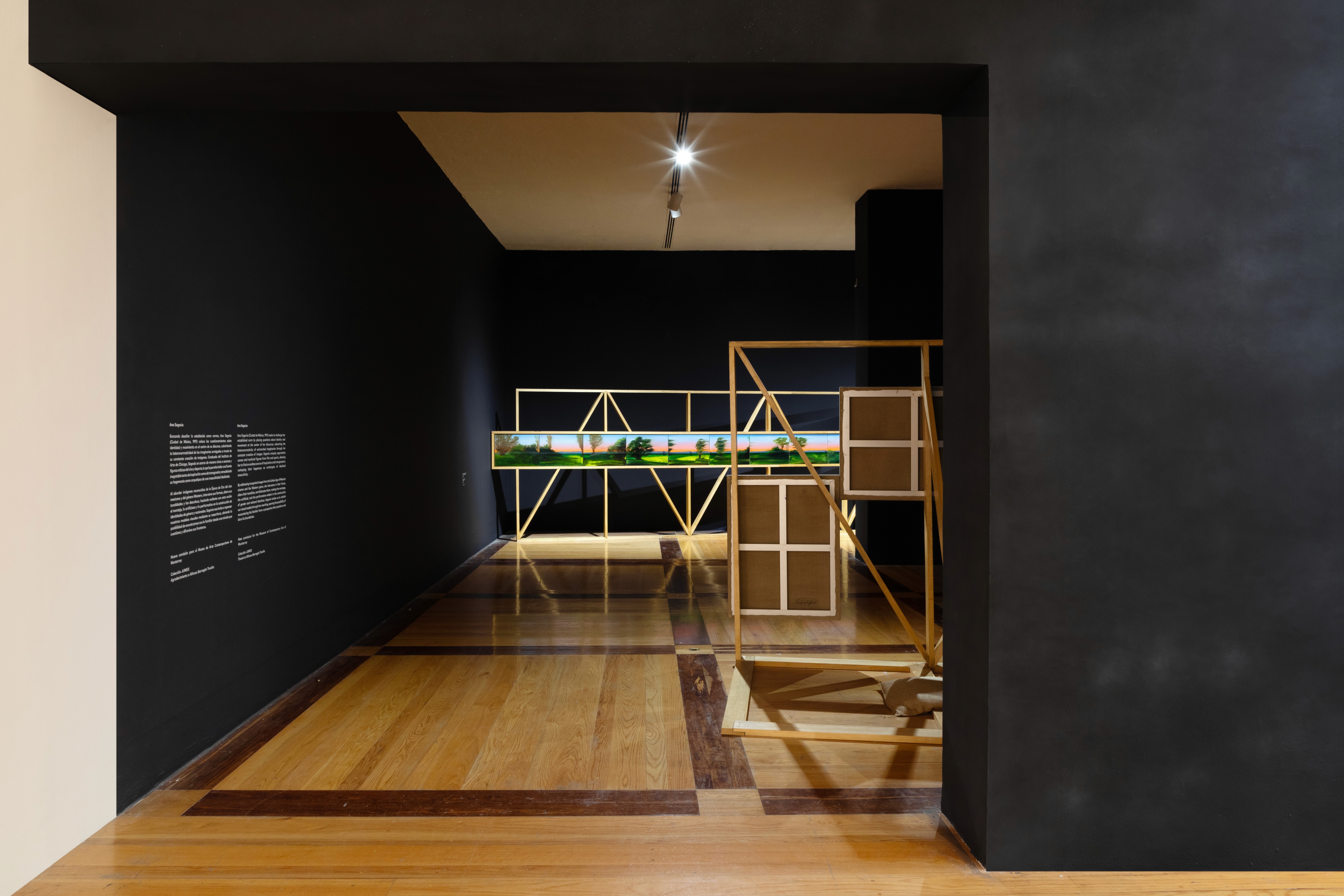
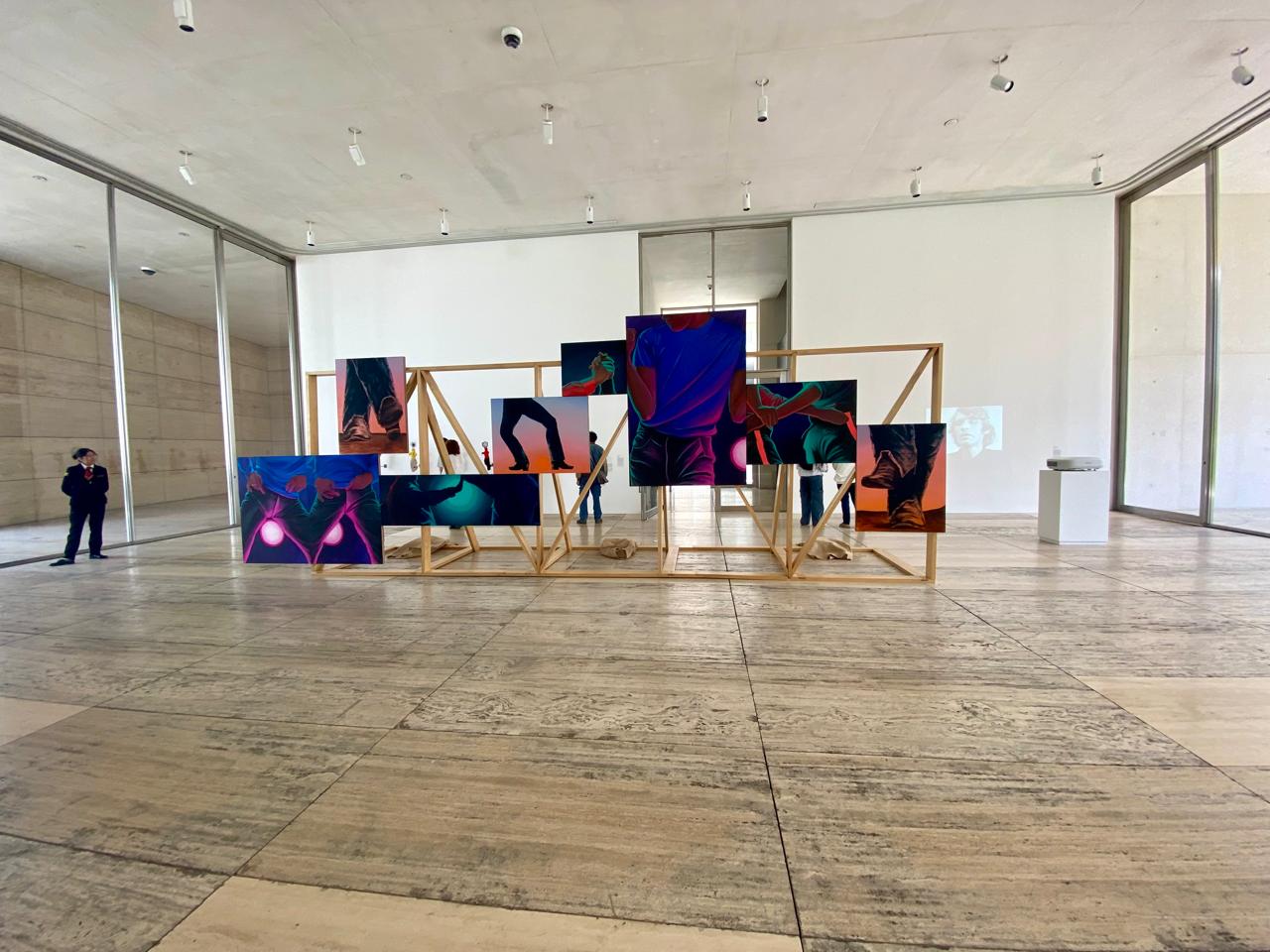
The wooden infrastructure was acquired by Museo Jumex as part of its technical assets, recognizing the structure as a durable, safe, and reusable exhibition system beyond its original installation.
Designed to age well and meet institutional safety standards, the structure was installed by museum technicians using an assembly manual I designed, enabling efficient setup and long-term reuse without designer dependency.
This outcome highlights how the project operates at the intersection of artistic intention, structural design, and institutional scalability.
Impact
The wooden infrastructure was acquired by Museo Jumex as part of its technical assets, recognizing the structure as a durable, safe, and reusable exhibition system beyond its original installation.
Designed to age well and meet institutional safety standards, the structure was installed by museum technicians using an assembly manual I designed, enabling efficient setup and long-term reuse without designer dependency.
This outcome highlights how the project operates at the intersection of artistic intention, structural design, and institutional scalability.
What broke and why it mattered
Findings
Horizontal carousels weren't perceived as scrollable
Design decision
Reduced card width so adjacent cards are partially visible, making the swipeable pattern immediately legible.

Date carousel didn't read as interactive
Design decision
Adjusted the clip so the circle is clearly cut making the overflow intentional and the interaction obvious.

Expense screen was too overwhelming
Design decision
Expense categories were turned into collapsible cards, while the summary button was moved to the fixed bottom nav for constant visibility.

What broke and why it mattered
Findings
Horizontal carousels weren't perceived as scrollable
Design decision
Reduced card width so adjacent cards are partially visible, making the swipeable pattern immediately legible.
Date carousel didn't read as interactive
Design decision
Adjusted the clip so the circle is clearly cut making the overflow intentional and the interaction obvious.
Expense screen was too overwhelming
Design decision
Expense categories were turned into collapsible cards, while the summary button was moved to the fixed bottom nav for constant visibility.
Horizontal carousels weren't perceived as scrollable
During the session, none of the participants swiped the destination carousel horizontally. The card edges weren't visible enough to signal that more content existed beyond the frame.
Design decision
Reduced card width so adjacent cards are partially visible, making the swipeable pattern immediately legible.
Date carousel didn't read as interactive
The date selector used a circular element that got clipped at the screen edge. Participants didn't recognize it as something they could scroll.
Design decision
Adjusted the clip so the circle is clearly cut making the overflow intentional and the interaction obvious.
Expense screen was too overwhelming
The cluttered expense screen caused users to overlook the summary button, as all categories and fields were visible at once.
Design decision
Both expense categories were redesigned as collapsible cards, reducing visual noise and letting users focus on what's relevant.
The expense summary button was moved to the bottom navigation bar and highlighted in green, making it visible regardless of scroll position.